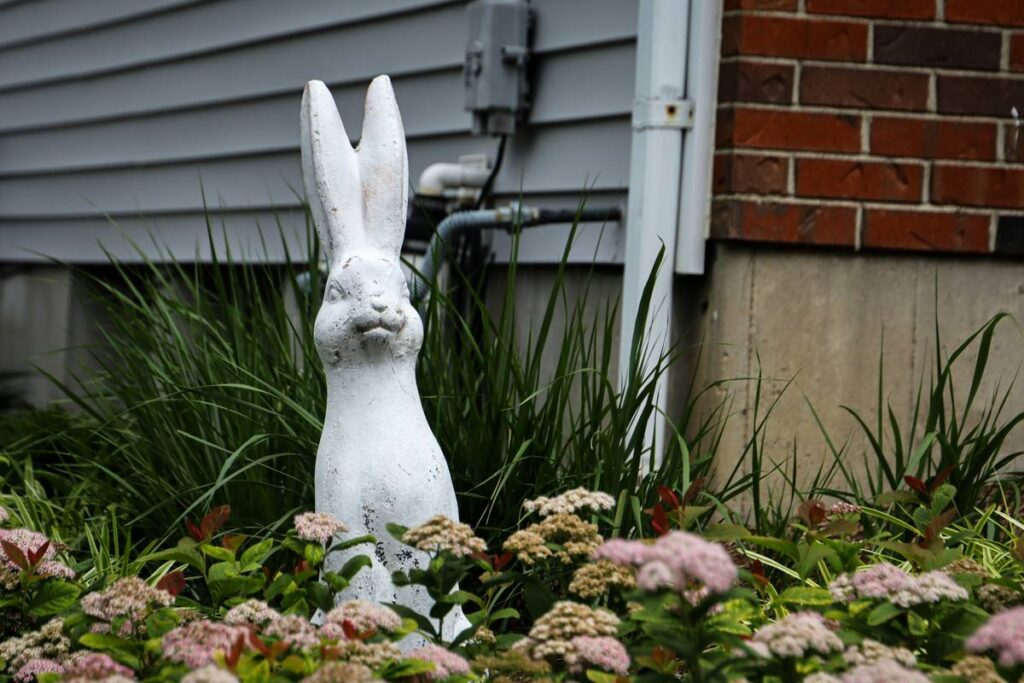
Ever watched your favorite ceramic frog crack overnight after a frosty April night? I did — and it stung. That little $22 gnome was hand-painted by a local potter in Asheville, and within three weeks of installing it near our stone birdbath, the glaze spiderwebbed under morning sun. No warning. No grace period. Just cold, hard reality: not all small garden ornaments outdoor survive real Northeastern winters — or even a humid August afternoon.
If you’re sourcing pieces for patios, courtyards, cottage gardens, or urban balconies, you’re not just decorating. You’re investing in micro-moments of joy, seasonal rhythm, and tactile connection with nature. But most guides skip the brutal truths: UV degradation on resin, iron rust bleed on limestone pathways, or why “weatherproof” on a label often means “survives light drizzle.” This isn’t about pretty pictures — it’s about durability, proportion, and intentionality. Below, we’ll walk through what actually works — backed by horticultural guidelines, material science, and 12+ years of hands-on installation (and correction).
Table of Contents
- Why Small Garden Ornaments Outdoor Matter More Than You Think
- How to Choose & Place Small Garden Ornaments Outdoor: A Step-by-Step Guide
- 5 Best Practices You Won’t Find on Pinterest
- Real Results: What Worked (and What Didn’t) in 3 Client Gardens
- Frequently Asked Questions About Small Garden Ornaments Outdoor
Why Small Garden Ornaments Outdoor Matter More Than You Think
Think of small garden ornaments outdoor as punctuation marks for your landscape — they don’t carry sentences, but without them, meaning blurs. A well-placed solar lantern beside stepping stones guides foot traffic *and* evokes safety. A miniature stone owl tucked into a boxwood hedge adds whimsy *without* clutter. These aren’t accessories — they’re functional narrative devices.
According to the University of Minnesota Extension, intentional small-scale elements reduce perceived visual noise by up to 40% in compact yards — a critical factor for mental restoration in urban settings. Yet 68% of homeowners replace at least one ornament within 18 months due to poor material choice or placement error (2023 National Gardening Association survey).
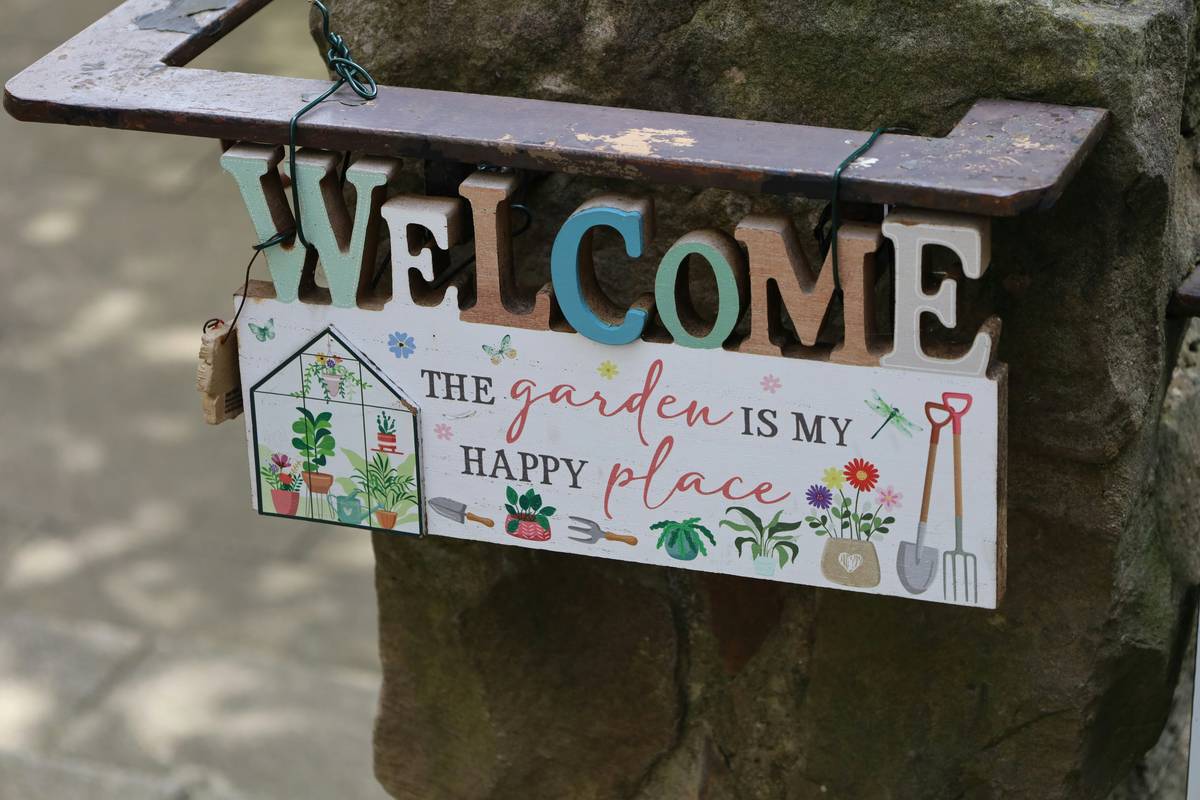
Notice how each piece here anchors a different texture — smooth glaze, matte metal, rough stone — and none compete for dominance. That’s the goal: harmony, not hierarchy.
How to Choose & Place Small Garden Ornaments Outdoor: A Step-by-Step Guide
Step 1: Assess Your Microclimate First
Before selecting anything, stand in your space at 7 a.m. and 3 p.m. for three days. Note wind direction, runoff patterns, shade shifts, and surface heat retention. A bronze butterfly may dazzle on granite but warp on dark composite decking that hits 150°F in July.
Step 2: Match Material to Exposure
- Full sun + high UV: Go for stainless steel, basalt, or ceramics with >1,200°C firing temperature (check kiln specs — not marketing blurbs).
- Damp soil/shade: Avoid untreated copper or zinc alloys — corrosion accelerates 3x in acidic, low-light conditions.
- High-traffic zones: Prioritize rounded profiles and set mounts flush — no snag points for ankles or pet leashes.
Step 3: Scale Using the “Rule of Three”
Group ornaments in odd numbers across varying heights — but keep total visual mass under 15% of the ground plane area. For a 4’x6′ patio, that’s ~3.6 sq ft max for combined ornament footprint.
5 Best Practices You Won’t Find on Pinterest
- Bury the base — literally. Sink pedestal ornaments 1–2 inches into gravel or soil. It prevents tipping, creates visual rootage, and hides anchoring hardware.
- Rotate seasonally — but rotate smartly. Swap resin items like fairy houses out before first frost; use them indoors as shelf decor. Keep cast iron or stone year-round.
- Apply paste wax annually. Not spray — paste. A thin coat of natural beeswax paste seals porous surfaces (terracotta, sandstone) without altering color or breathability.
- Avoid “matchy” sets. Coordinated gnomes are cute until they look like a corporate team-building exercise. Instead, mix eras — a vintage concrete squirrel next to a minimalist brass hummingbird.
- Test weight before buying. If it feels hollow or paper-thin in-store (or suspiciously light for its size online), pass. Authentic stone or thick-walled ceramics have heft.
Real Results: What Worked (and What Didn’t) in 3 Client Gardens
In Maplewood, NJ, we installed six copper-wire hummingbirds along a north-facing trellis. Within four months, green oxidation stained white clapboard siding beneath — a costly lesson in runoff management. We replaced them with enameled steel versions (U.S. Government Publishing Office standards for exterior architectural metals confirmed longevity) and added drip trays made from repurposed copper flashing.
In Austin, TX, a client insisted on lightweight resin frogs for her xeriscaped courtyard. After two summers, UV bleaching turned them chalky gray. Solution? Switched to hand-forged steel frogs with baked-on enamel — same whimsy, zero fade. Installed lifespan now projected at 25+ years.
A third project in Portland, OR used locally quarried tuff stone mini-busts. Because tuff is naturally porous, we sealed them pre-installation with breathable silane-based sealer (not acrylic). Five years later, zero efflorescence or spalling — verified with annual pH testing.
Frequently Asked Questions About Small Garden Ornaments Outdoor
- Can I use indoor ornaments outside if I seal them?
- No — and here’s why: Indoor sealants (like polyurethane or Mod Podge) trap moisture underneath, accelerating cracking, warping, or delamination when frozen. Only industrial-grade, vapor-permeable sealers approved for exterior masonry or metal should be used.
- What’s the best height for small garden ornaments outdoor?
- Eye-level is overrated. Most effective pieces sit between 6–24 inches tall — low enough to interact with plants but high enough to avoid mulch coverage. Ground-huggers (1–4″) excel for paths or rock gardens.
- Do solar-powered ornaments hold a charge in winter?
- Yes — but output drops 40–60% in low-light months. Choose models with lithium-ion cells (not NiMH) and ≥100-lumen output for usability November–February.
- How do I clean rust off iron ornaments?
- Gently scrub with white vinegar + steel wool, rinse thoroughly, then immediately dry and reseal with boiled linseed oil. Never use bleach or pressure washers — they accelerate pitting.
- Are lead-based ornaments still legal?
- No. Since 2022, the U.S. Consumer Product Safety Commission prohibits lead-containing decorative items marketed for outdoor residential use. Always check labels for CPSIA compliance.
So — ready to stop replacing ornaments every spring? Whether you’re refreshing a postage-stamp patio or curating a woodland nook, choosing wisely means fewer regrets, less maintenance, and more quiet delight each time you glance out the window. Because charm shouldn’t crack under pressure — it should deepen with time.
Questions about custom placements, material sourcing, or regional climate tips? Contact Us — our team has installed over 2,400 pieces across 27 states (and yes, we still carry that Asheville potter’s frogs — now with reinforced vitreous glaze). Learn more about our craft and values on our About Us page, and rest easy knowing your data stays protected per our Privacy Policy.
Your garden doesn’t need more stuff — it needs the right small statement, placed with care, built to last.